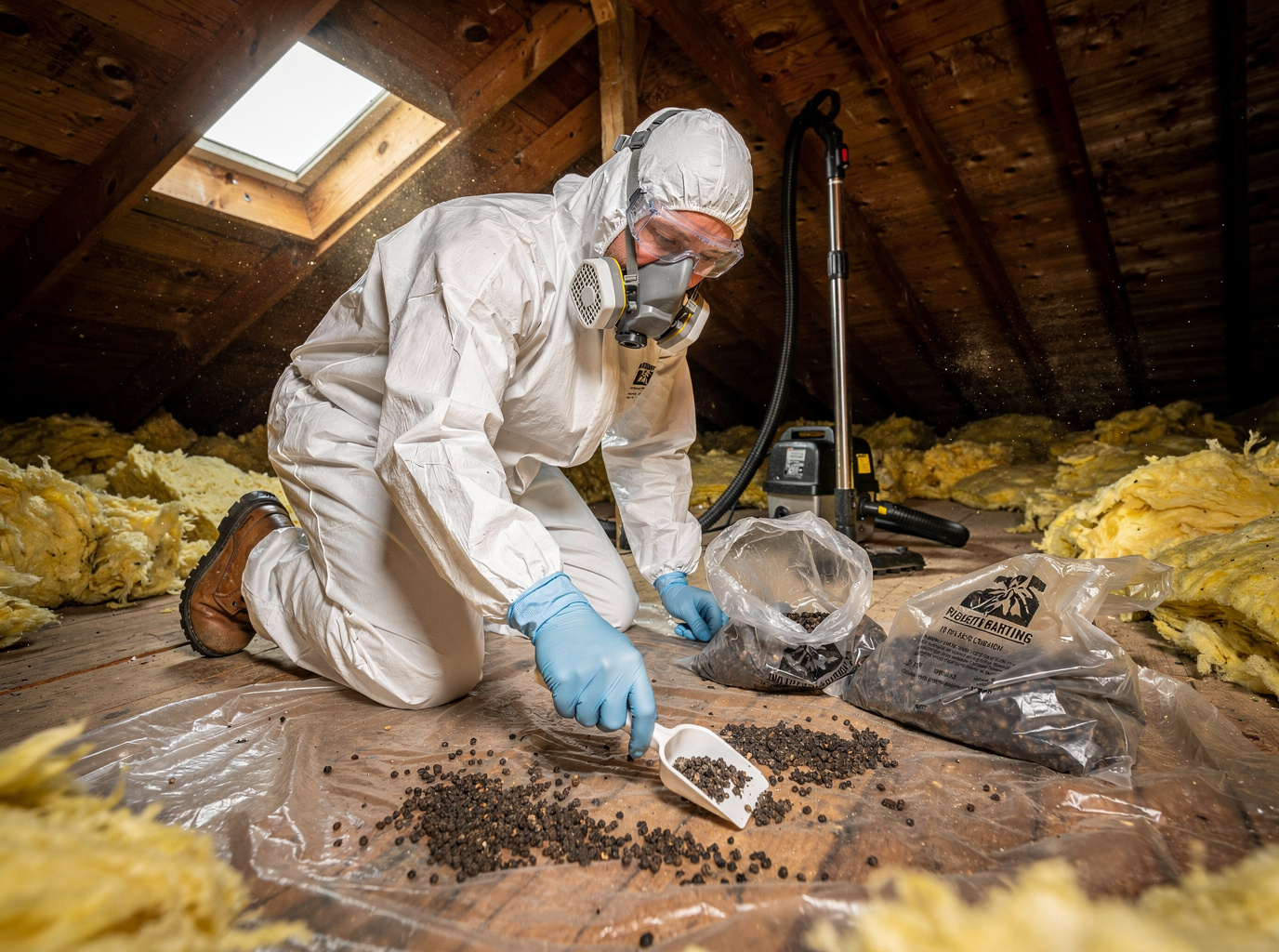
Park Hills sits in the old lead-mining section of St. Francois County where many homes date from the early 1900s and line narrow streets such as Coffman and Flat River Road. These older frame houses often have small lots, steep driveways, and basements that flood during the heavy rains common to the area. Bismarck Biohazard Cleanup reaches these addresses quickly from its 1025 Center Dr location and handles the confined-space work that comes with tight alley access and shared walls.
Summer heat and winter freezes both affect how fluids move through carpet and subfloors here. After a severe storm, standing water in crawl spaces under Park Hills properties can spread biohazards into neighboring units faster than in newer subdivisions. Crews plan extra containment steps and use dehumidification suited to the humid continental swings that hit this part of the county.
Unattended death cleanup calls in the Elvins and Flat River neighborhoods frequently involve second-floor apartments or hillside lots with limited equipment staging room. The same storm patterns that bring high winds also knock out power, so the team keeps generators ready for continuous negative-air operation until the scene is cleared.
Around Park Hills, MO
We regularly work near:
- 📍Missouri Mines State Historic Site
- 📍Park Hills City Park
- 📍Central R-III High School
- 📍Flat River Road
- 📍Coffman Street
- 📍Westside Park
Biohazard Cleanup in Park Hills, MO — Local Notes
- •Many Park Hills homes sit on narrow hillside lots with shared driveways, requiring smaller equipment and hand-carry methods to reach upper levels without blocking neighbors.
- •Basements and crawl spaces in the older mining-era housing stock collect water after heavy rains, so crews often install extra containment barriers before starting biohazard removal.
- •Severe thunderstorms common to St. Francois County can drop large hail and high winds that damage roofs, allowing rainwater to reach biohazard materials on upper floors.
- •Tight alley access behind Coffman Street properties means vehicles must be staged on the main road, lengthening the time needed to move waste containers during unattended death jobs.